

Savaspin KYC Verification: Documents and Withdrawal Checks
 Available in GB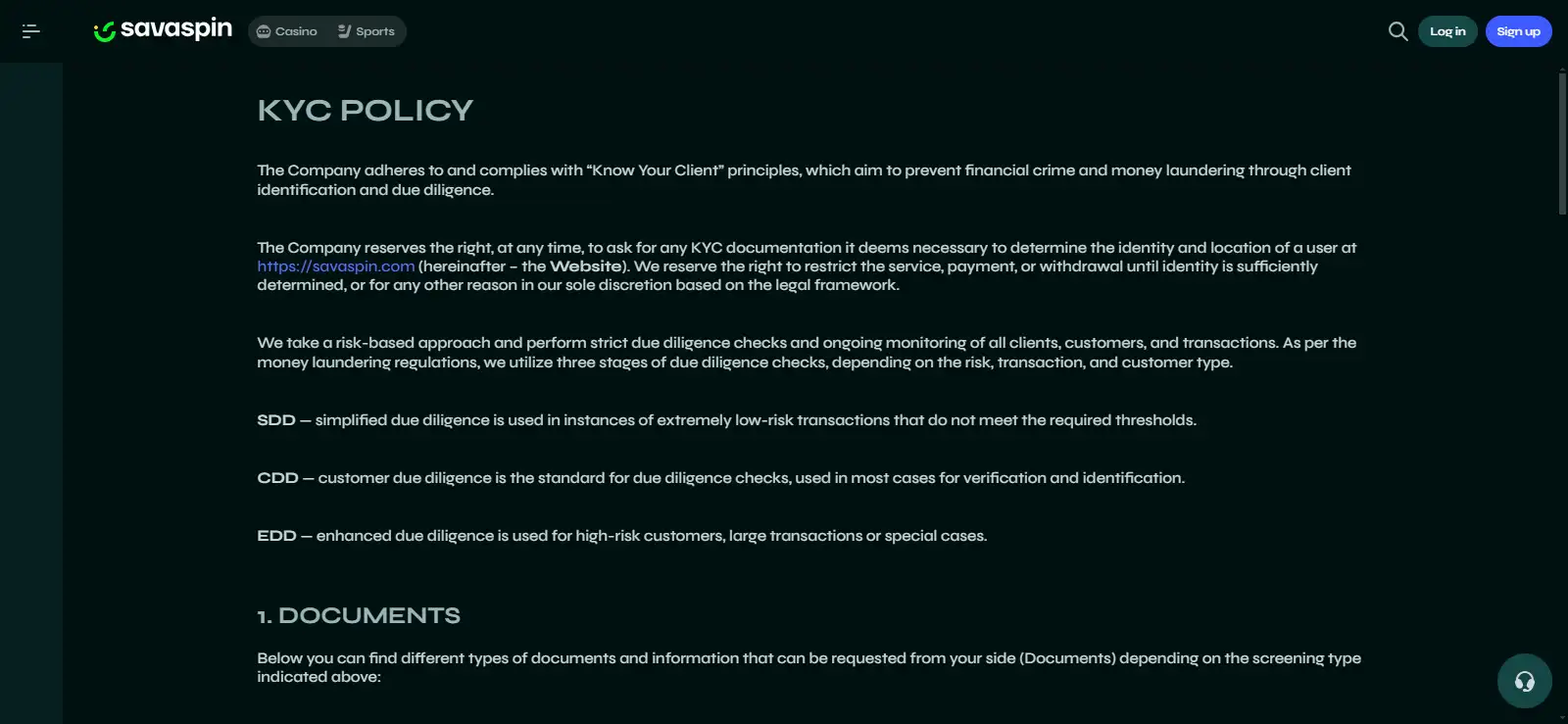
Savaspin uses a risk-based KYC process rather than one document list for every account. Its KYC policy describes simplified, customer and enhanced due-diligence levels and allows requests for identity information, proof of address and additional documents depending on the screening level and circumstances.
The policy also allows Savaspin to request payment-related documents and to restrict services, payments or withdrawals until identity is sufficiently established. KYC can therefore affect access to funds. The required documents and timing can vary with the account, transaction and risk level, so users should follow the request shown through Savaspin’s own account process.
Table of Contents
- What Savaspin’s KYC policy says
- Identity and address documents
- Additional documents can be requested
- Why KYC can affect withdrawals
- No fixed KYC turnaround is promised here
- How to prepare documents without inventing requirements
- What can cause a document to be rejected?
- Payment-method documents
- SDD, CDD and EDD in plain English
- Verification and account details should agree
- KYC is separate from licensing status
- What to do if verification is blocking a withdrawal
- Enhanced checks can reach beyond basic identity documents
- Privacy-minded document handling
- Bottom line
What Savaspin’s KYC policy says
Savaspin’s official KYC policy describes multiple levels of due diligence. The important idea is risk-based variation: the checks can become more detailed where the account, transaction pattern or case requires additional scrutiny. That is why a document requested from one player should not be treated as a permanent universal requirement for every other player.
The policy lists a minimum identification data set including a person’s name, date of birth, permanent residential address and identification number. It also describes identity documents such as a passport or identity card and address documents such as a utility bill or bank statement. Additional material can be requested in some circumstances.
The document categories come from Savaspin’s KYC policy and can expand when a case requires additional due diligence. A user may therefore receive a narrower or broader request than another account holder.
Identity and address documents
The current policy identifies a valid passport or identity card as examples of actual identification documents. For address confirmation it gives examples including a utility bill or bank-account statement and states that the address document should be recent under the policy’s stated age threshold.
Do not interpret those examples as a guarantee that only those files will ever be accepted. The policy explicitly describes different screening levels and additional documentation. The safest approach is to follow the document request shown in your own account or sent through the official verification channel.
Document quality matters. A correct document can still be hard to verify if the image is cropped, blurred, glare covers key fields, edges are missing or the information does not match the account profile. Take a fresh image or scan in good light and make sure the requested details are readable.
Additional documents can be requested
Savaspin’s policy includes examples of additional documents that can be requested. These include another identity document, a photograph involving the user and passport, and limited payment-card material. A KYC request can therefore extend beyond a basic ID-and-address pair.
Only provide what the official verification process asks for. Do not send full card numbers, card security codes, passwords or crypto private keys. If a payment-card image is requested, follow the operator’s exact masking instructions rather than improvising your own disclosure.
An extra document request does not mean every account will face the same step. The policy ties the depth of due diligence to risk, transaction and customer circumstances.
Why KYC can affect withdrawals
The practical reason players often search for KYC information is a withdrawal. Savaspin’s policy states that sufficient verification can be required before services, payments or withdrawals proceed. In other words, an account can reach a point where a cash-out cannot simply be treated as a payment-routing issue; identity or source-related checks may need to be completed first.
That does not mean every withdrawal will be delayed for the same reason or the same length of time. Payment processing, account review and KYC are separate processes that can overlap. The withdrawal process page covers cash-out workflow, while KYC concerns identity and account checks.
If a withdrawal is pending and the account shows a verification request, answer that request rather than repeatedly cancelling and resubmitting the withdrawal. Repeated changes can make the transaction trail harder to understand.
No fixed KYC turnaround is promised here
Savaspin does not set one universal KYC turnaround in the policy. The time required can depend on document quality, consistency, extra requests and the level of due diligence applied to the account.
Risk-based checks can differ in complexity. A clear passport image that matches the account may be simpler than a case involving mismatched profile details, additional address documents, payment-method ownership or enhanced due diligence. That variation makes a single headline processing time potentially misleading.
If timing matters because a withdrawal is pending, check the status shown in your account and ask official support for the current case status. Savaspin advertises 24/7 live chat and email support.
How to prepare documents without inventing requirements
- Use the exact document type requested in your account or official verification message.
- Make sure the document is current enough for the stated request and is not visibly expired where validity is required.
- Photograph or scan the full document with all required edges and fields visible.
- Avoid blur, glare, filters, heavy compression and copies of copies.
- Check that your name, date of birth and address match the account details where those fields are being verified.
- Do not alter a document digitally except for masking specifically instructed by the verification process.
- Upload through the official verification route rather than sending sensitive files to an unrelated social-media account.
This checklist is about file quality and process hygiene. It does not add new mandatory Savaspin document categories beyond those supported by the official policy.
What can cause a document to be rejected?
Savaspin’s policy allows documents to be rejected when they do not meet the requirements of the check. Unreadable files, incomplete information or inconsistencies with account details can lead to another request.
When a file is rejected, read the stated reason before uploading another copy. If the problem is image quality, take a clearer image. If the problem is a mismatch, do not edit the document to force a match; correct the account information through the proper route or provide the requested supporting documents.
Payment-method documents
The policy allows additional documents connected with payment methods. These can be used to establish that a payment instrument belongs to the account holder. If Savaspin requests payment records, follow the specific request and any masking instructions shown in the account process.
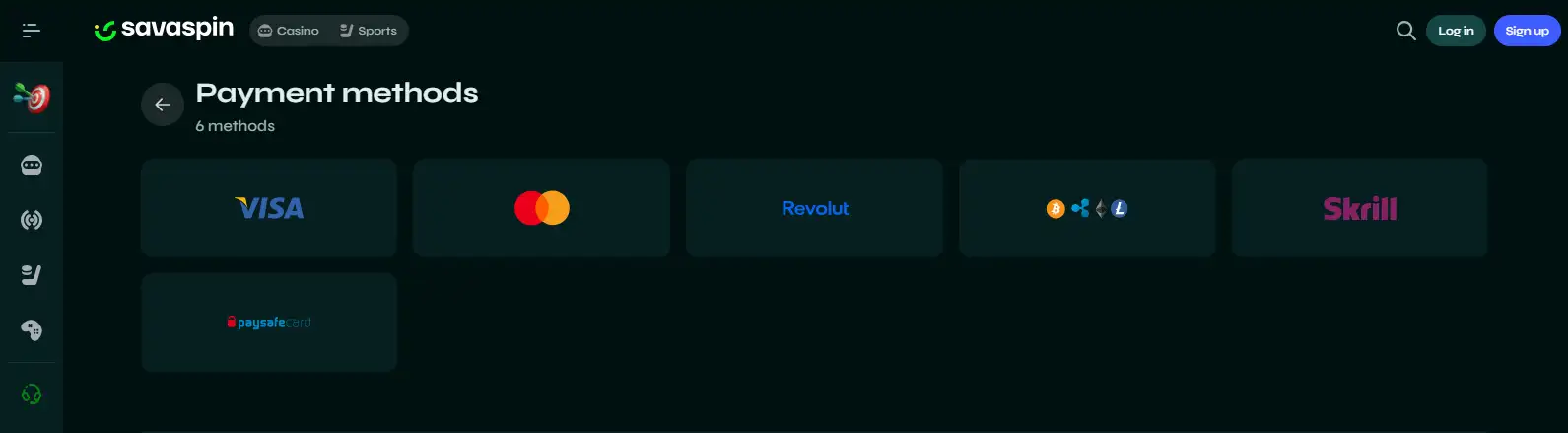
The broader cashier options are covered on the payments pages, not here. If your question is whether a method is listed or how withdrawals are routed, use the payment guide. If the question is why Savaspin is asking you to prove control of a method, that is a KYC issue.
SDD, CDD and EDD in plain English
The policy’s screening terminology describes different levels of due diligence. Customer due diligence covers the normal identity process, while enhanced due diligence is used when a case presents higher risk or needs more information.
The amount of documentation can change as the account or transaction changes. Completing an earlier identity check does not prevent Savaspin from requesting additional material later under its policy.
Verification and account details should agree
KYC is simpler when the account profile matches the submitted documents. Differences in spelling, residential address or payment ownership can lead to further questions or requests.
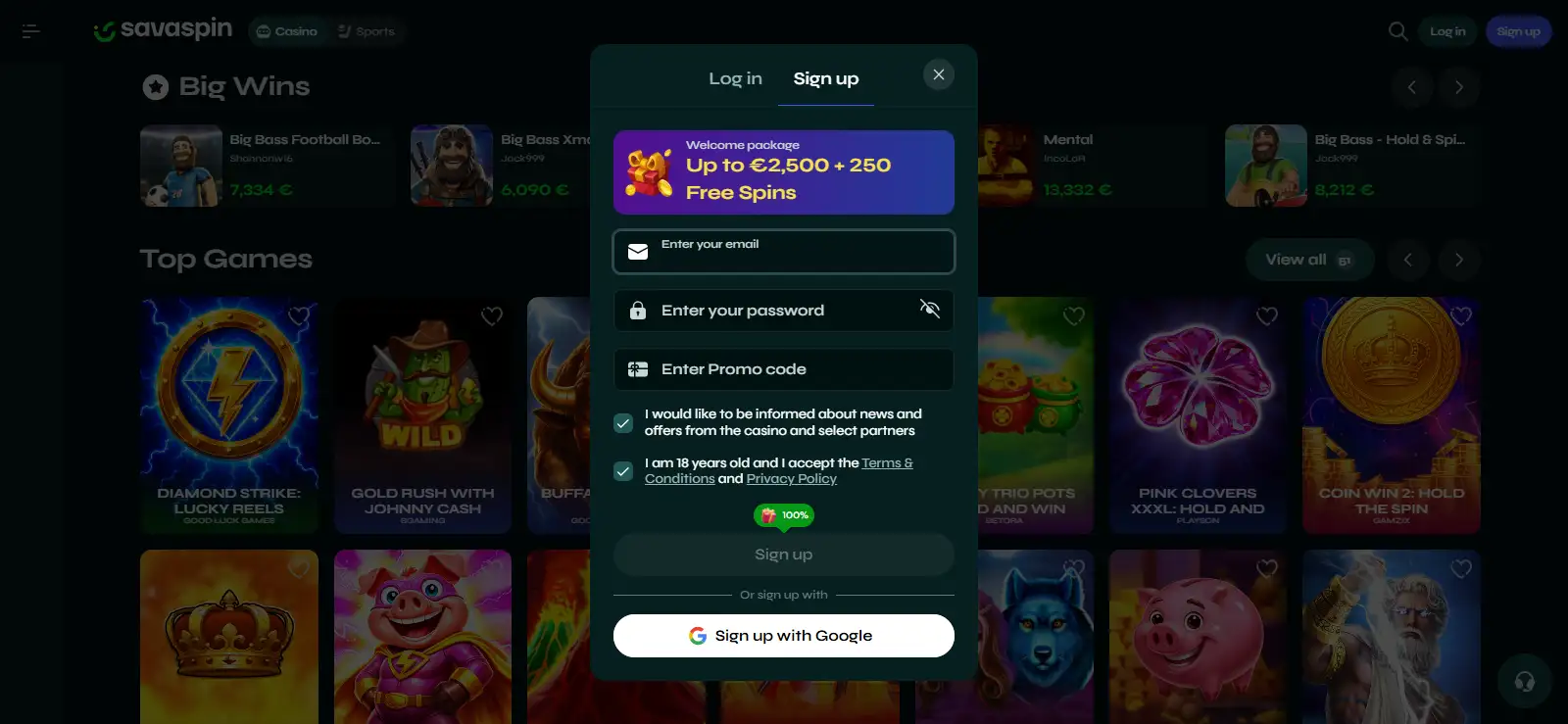
If you made a genuine mistake while signing up, use the proper account or support process to correct it. Do not create a duplicate account just to make the new profile match your documents. The Savaspin registration covers account setup and recovery.
KYC is separate from licensing status
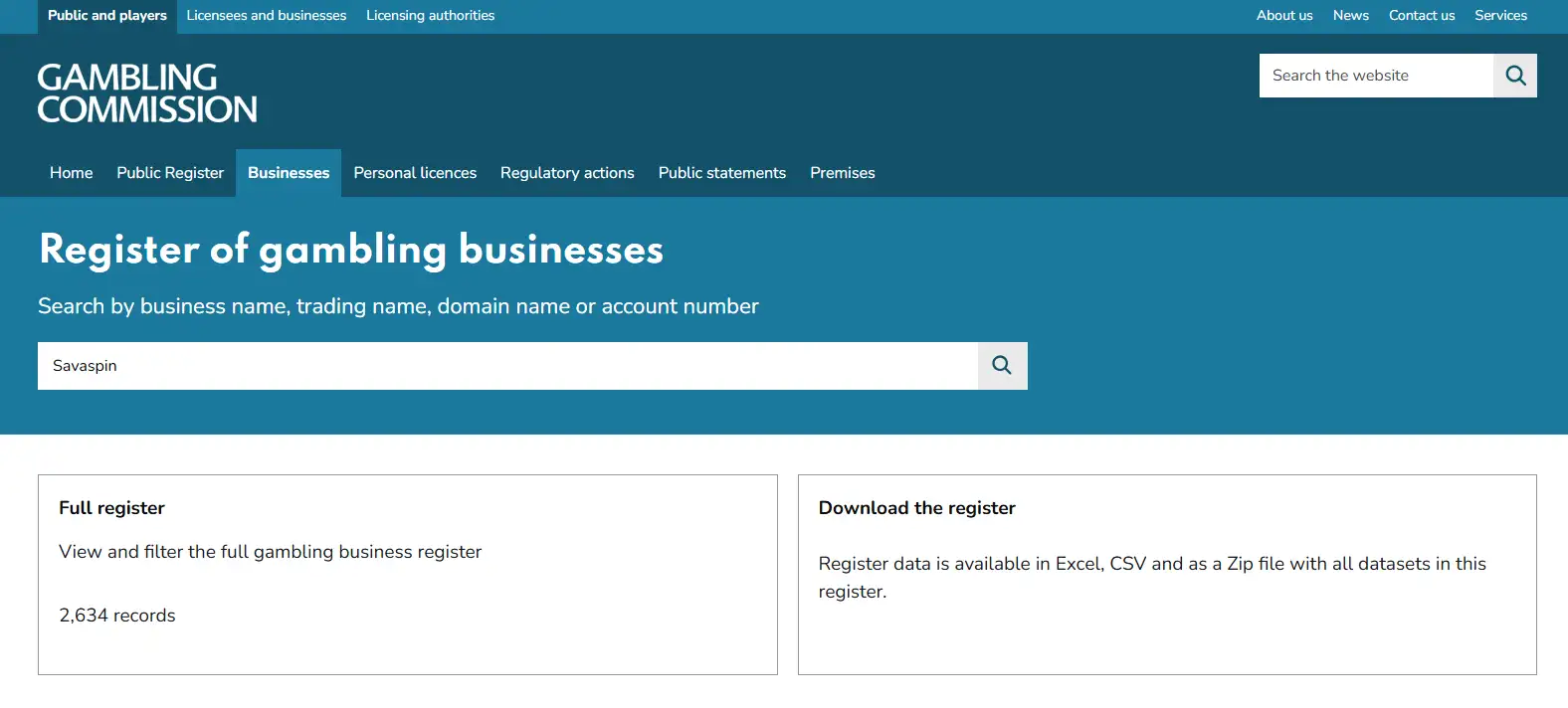
KYC is part of Savaspin’s international account controls and does not change territorial eligibility. Savaspin’s current terms list the United Kingdom as a Restricted Country for real-money deposits and play, while the active licence for savaspin.com is issued by the Curaçao Gaming Authority.
Licensing is a separate factual question handled on the Savaspin licence page. Keeping these topics separate prevents a common mistake: turning a normal compliance process into an unsupported claim about local regulatory status.
What to do if verification is blocking a withdrawal
- Open the account and identify the exact outstanding verification request.
- Check whether the requested documents match the account details you originally provided.
- Prepare a clean, complete file and follow any masking instructions.
- Submit it through the official verification route and keep confirmation or a case reference if one is provided.
- If the request is unclear or appears unchanged after submission, contact official support and ask for the specific missing item rather than sending random documents.
This process is more useful than guessing a turnaround or assuming the cashier itself is broken. It keeps the problem tied to the actual verification request.
Enhanced checks can reach beyond basic identity documents
Savaspin’s terms allow broader document requests when an account requires additional review. Examples include certified identification, proof of residence, proof that the user owns a payment method, source-of-funds or source-of-wealth information, and relevant bank or card transaction history. These categories are more extensive than the basic identity and address checks used in a straightforward case.
The terms state that requested documents should be supplied within 15 days. That period concerns the customer’s response to a request; it is not a promise that the operator will finish every KYC review within 15 days. A request for source-of-funds information can therefore involve a different workload from uploading a passport or utility bill, and the account can remain subject to restrictions while the operator is still establishing identity or transaction context.
Privacy-minded document handling
Identity files are sensitive. Use the operator’s official upload process, keep local copies only as long as you need them, and avoid transmitting documents through public chat channels or third-party messengers. If you are using a shared computer, remove downloaded scans and sign out when finished.
Do not add unnecessary information to an image. A verification request should determine what is needed. More disclosure is not automatically better and can expose data that was never requested.
Bottom line
Savaspin’s KYC process is risk-based and can involve identity, address and payment-related documents. The operator can restrict services, payments or withdrawals until it has enough information to establish identity. Document requests and processing time can differ from one case to another.
Prepare accurate, readable documents, follow the request shown in your own account and use official support if the requirement is unclear. For the wider product context, return to the Savaspin UK review; for general account creation use the account guide, for cash-out mechanics use the withdrawals page, and for regulatory status use the licence page.
Prepared by the Sava Spin Casino editorial staff.